Trump, UFO Files, and the Strange Events That Followed
In February 2026, Donald Trump did something few political figures have done directly—he stated that he would move to identify and release government-held files related to UFOs, UAPs, and extraterrestrial life. This wasn’t vague curiosity. It was fra
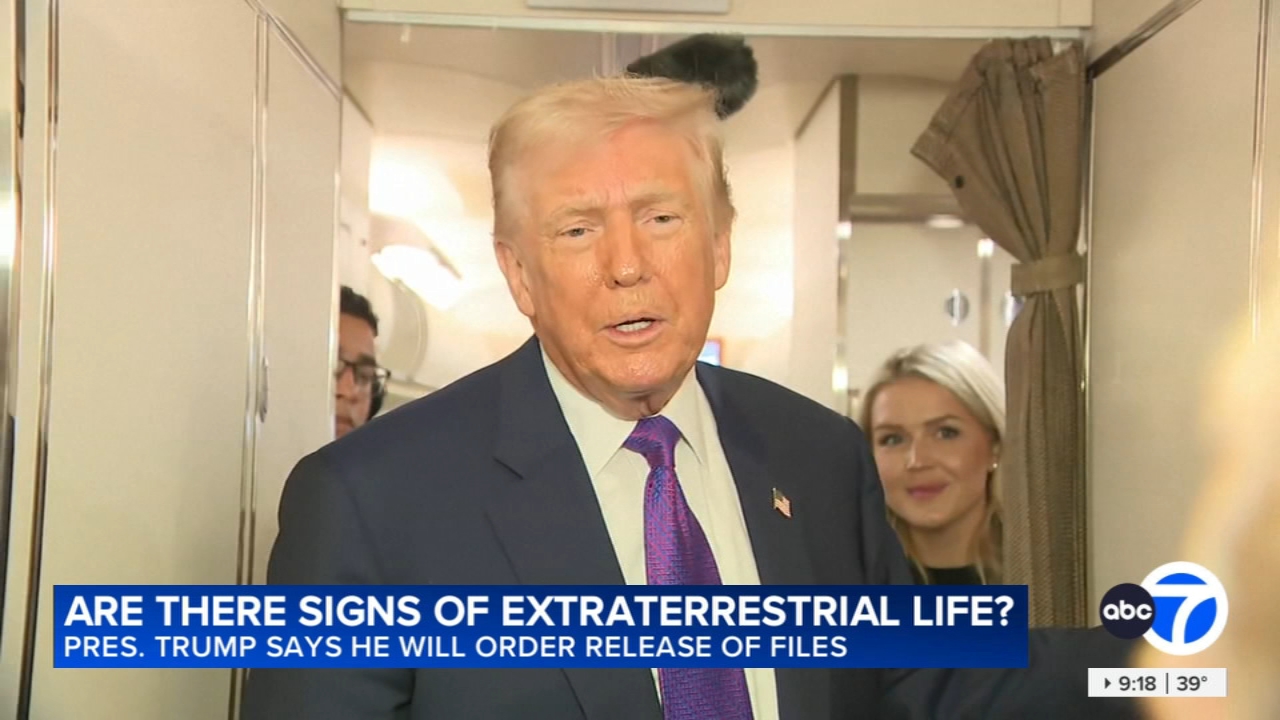
In February 2026, Donald Trump did something few political figures have done directly—he stated that he would move to identify and release government-held files related to UFOs, UAPs, and extraterrestrial life.
This wasn’t vague curiosity. It was framed as action.
And in a space long dominated by deflection, that alone was enough to trigger a global reaction.
The Immediate Aftermath
Within weeks, the ripple effects began.
- Federal domains alien.gov and aliens.gov were registered
- Congressional voices increased pressure for UAP video releases and transparency
- Investigative journalists—including Ross Coulthart—pointed to growing internal pressure from whistleblowers
None of this confirmed disclosure.
But it signaled movement.
And more importantly, alignment.
For the first time in a long time, political messaging, journalist reporting, and insider claims were all pointing in the same direction: something is building.
The Files That Briefly Disappeared
Around the same time, a separate story added an unexpected layer of tension.
A large portion of UFO-related documents hosted on The Black Vault , run by John Greenewald Jr., appeared to vanish—fueling immediate speculation across the UAP community.
The archive, one of the largest civilian collections of declassified material, was later restored. Greenewald himself suggested the most likely cause was a technical or hosting-related issue , not confirmed interference.
Still, the timing raised eyebrows.
A major archive disruption, occurring just as renewed calls for UFO file releases were gaining traction, was always going to attract attention—regardless of the underlying cause.
The Gap Between Signal and Delivery
Despite the noise, one thing hasn’t happened:
No major release of UFO files has materialized.
That leaves a critical gap:
- A high-profile statement
- A surge in related activity
- But no definitive follow-through
What Credible Voices Are Saying
Journalists outside government channels have been consistent:
- Ross Coulthart has maintained that significant UAP-related information exists outside public view
- Long-time investigators like George Knapp continue to suggest that key material has never entered official disclosure pipelines
The implication isn’t that disclosure is imminent.
It’s that control over the information may not sit where the public assumes it does.
Controlled Disclosure—or Something Else?
There are three grounded interpretations emerging:
1. Strategic Signaling
A political move to acknowledge public interest without committing to full release
2. Internal Resistance
Efforts to disclose meeting institutional pushback behind the scenes
3. Phased Rollout
A slow, managed release of information designed to avoid shock or disruption
The Real Takeaway
Trump’s statement didn’t open the floodgates.
But it did something arguably more important:
It shifted the tone.
From denial…
to acknowledgement…
to expectation.
And once expectation is set, the pressure doesn’t go away.
What Happens Next
Right now, we’re in a holding pattern.
- The infrastructure for disclosure appears to be forming
- Independent voices continue to push the narrative forward
- Public interest is rising again—fast
But the core question remains unanswered:
Are we being prepared for something… or managed away from it?