The Greenland Anomaly: A History of UFOs, Nuclear Bombs, and Cold War Secrets
In the remote, ethereal expanse of southern Greenland, near a town called Narsarsuaq, a captivating and strange phenomenon has been transforming the lives of those who witness it. UFO researcher Martin Kleist, who is part Greenlandic, and documentari
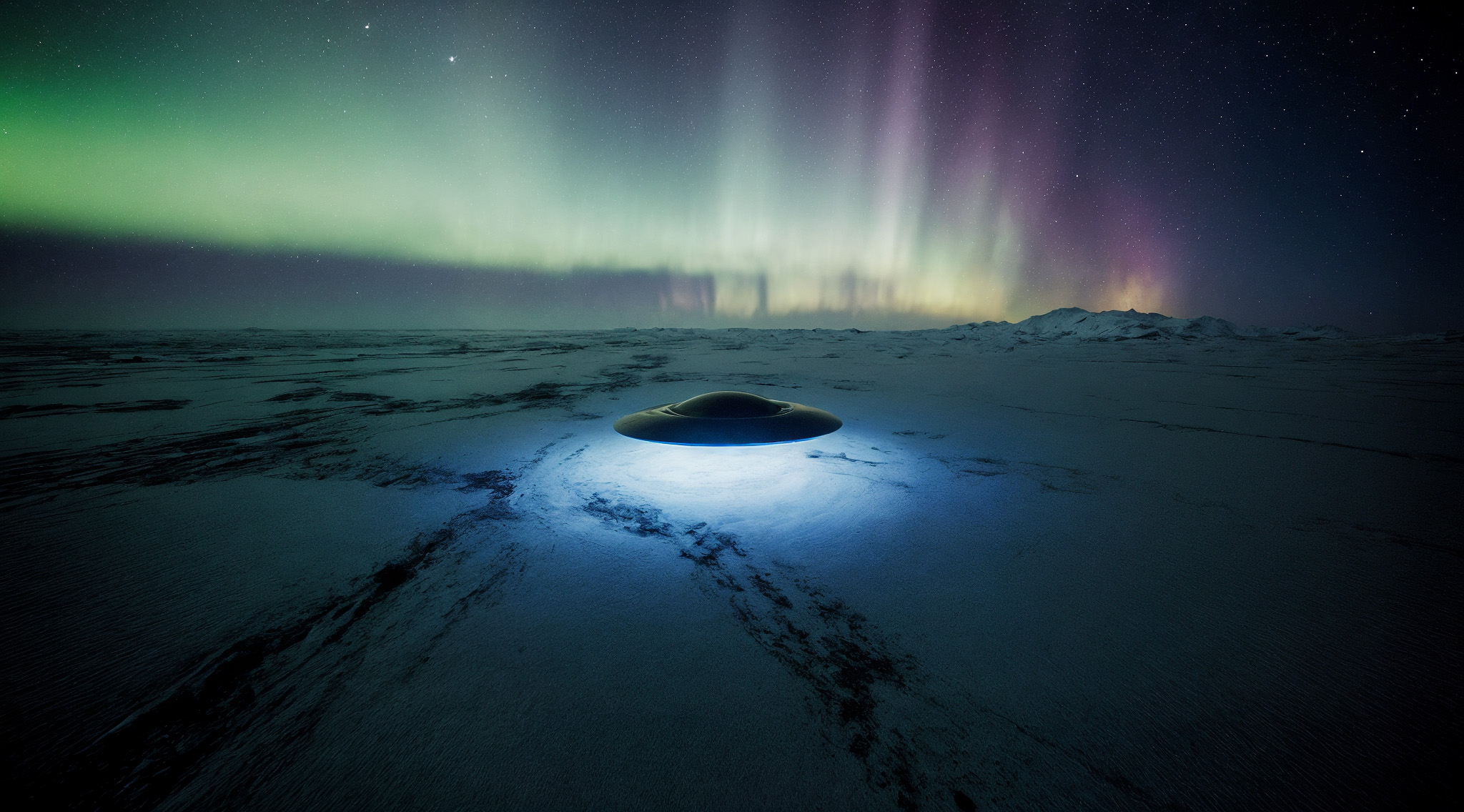
In the remote, ethereal expanse of southern Greenland, near a town called Narsarsuaq, a captivating and strange phenomenon has been transforming the lives of those who witness it. UFO researcher Martin Kleist, who is part Greenlandic, and documentarian Lassi Rabbeek journeyed to the region to investigate what a local pilot described as daily UFO sightings. The pilot, a highly credible witness, recounted his own remarkable encounter during a helicopter landing in Narsarsuaq, seeing a large, luminous, oval-shaped object near the edge of a cloud before it suddenly vanished. He told Kleist that these objects were not only seen daily by local residents but also by other credible witnesses, including air traffic controllers and flight mechanics.
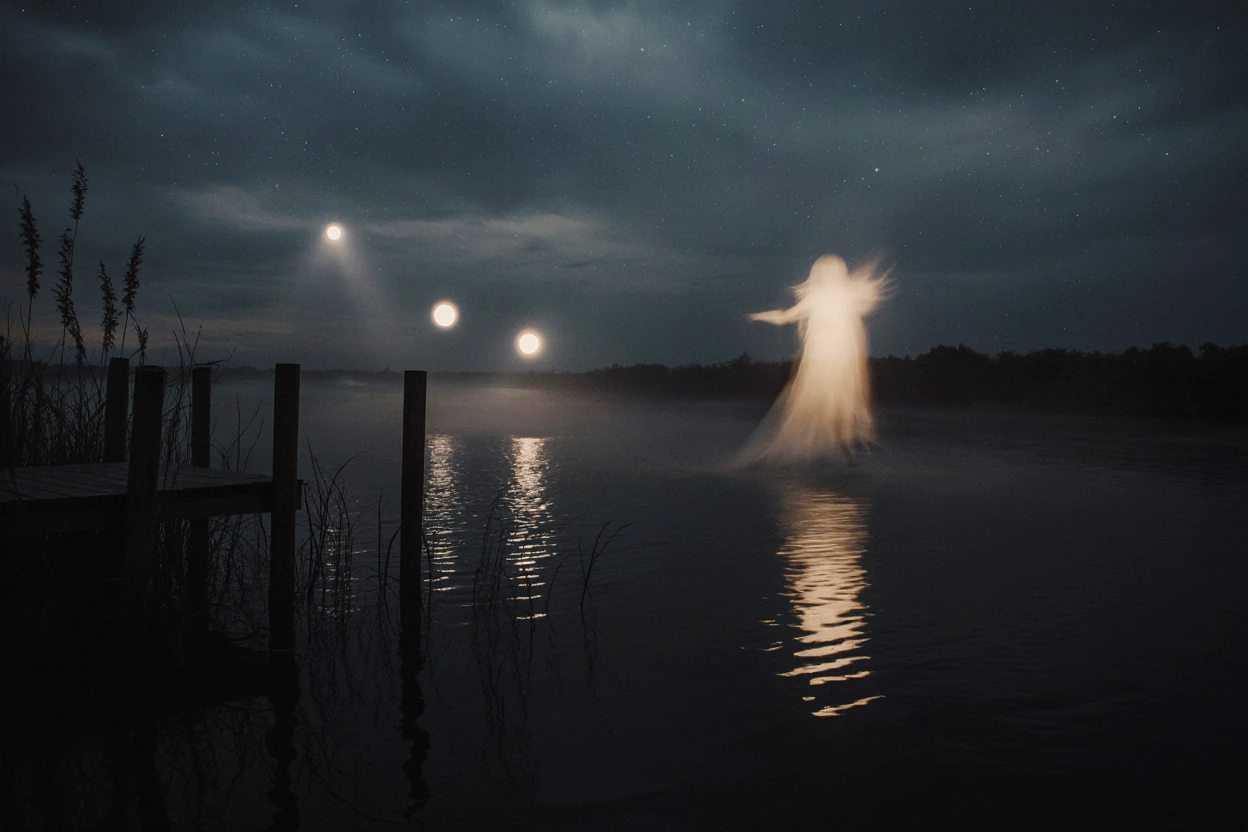
Kleist and Rabbeek's investigation led them to film mysterious light phenomena near Narsarsuaq. Using an infrared camera, they saw various lights emerging from behind a mountain, which was backed by nothing but a 100-kilometer ice cap. The lights were also visible to the naked eye, with one described as coming up completely red before disappearing. The objects exhibited a "consciousness element," with flash-bulb-like bursts appearing in the sky as if in response to the researchers' thoughts.
These recent events take on new significance when viewed through Greenland's history as a site of secretive military operations and unusual aerial occurrences. For decades, the remote island has been a hub of covert Cold War activity, sparking speculation about classified technology and hidden government projects. In the 1950s and 60s, the U.S. Army's top-secret Project Iceworm aimed to build a vast network of mobile nuclear missile launch sites beneath the Greenland ice sheet. This "city under the ice" was officially a research station called Camp Century, but its true purpose was to hide hundreds of nuclear missiles. The project was eventually abandoned due to unstable ice conditions, but its existence—kept secret for decades—shows the extreme lengths taken to secure a strategic foothold in the Arctic.
Furthermore, the 1968 Thule Air Base B-52 crash remains one of the most significant military incidents in Greenland's history. On January 21, 1968, a B-52 bomber carrying four thermonuclear bombs crashed onto the sea ice of North Star Bay. The conventional explosives on board detonated, rupturing the bombs and dispersing radioactive material, leading to a major cleanup operation. The accident revealed that nuclear-armed bombers were routinely flying over Danish territory, in violation of a standing policy, and raised questions about transparency and military secrecy in the region.
Kleist’s theory that the current UFO sightings are correlated with deposits of rare earth minerals and uranium adds another layer to this history. With its strategic location and immense natural resources, Greenland has long been at the center of geopolitical conflict. The Danish authorities' apparent lack of interest in investigating what is flying in their airspace, as noted by Kleist, echoes a past of classified projects and official denials, leaving the investigation to independent researchers and raising the perennial question of what—or who—is truly in command of Greenland’s skies.
Watch the (https://youtu.be/awml9Z6eF_M?si=O8HZhrpO-lBW9JYN).