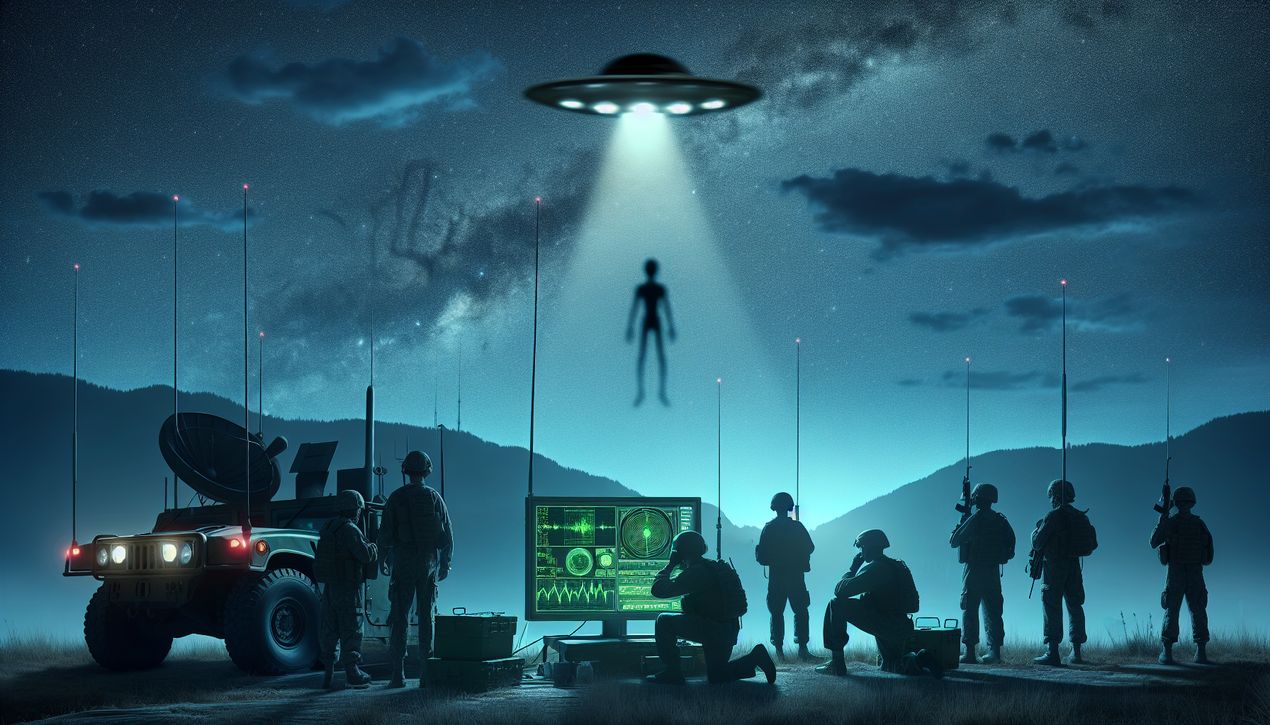
Missouri Congressman Claims Government Muzzles UAP Information
In a recent statement, Missouri Congressman Scott Fitzpatrick voiced strong concerns over what he perceives as government obstruction in the sharing of information related to Unidentified Anomalous Phenomena (UAPs). His accusations reflect a growing

In a recent statement, Missouri Congressman Scott Fitzpatrick voiced strong concerns over what he perceives as government obstruction in the sharing of information related to Unidentified Anomalous Phenomena (UAPs). His accusations reflect a growing frustration among lawmakers seeking transparency as the public and scientific communities show increasing interest in UAP disclosures.
Fitzpatrick's comments were prompted by ongoing discussions in Congress regarding the handling of UAP incidents and data, particularly following the recent establishment of a UAP office aimed at consolidating oversight efforts. He claims that without transparency, efforts to understand these phenomena will remain hampered, potentially affecting national security and public safety.
This sentiment aligns with a broader narrative that has been echoed by other figures in Congress, particularly following high-profile testimonies from former military personnel who have reported encounters with unidentified objects. Notable among these is David Grusch, a former intelligence officer who has recently come forward with claims about backchannel discussions regarding UAP evidence being suppressed.
The lack of detailed information from government entities, coupled with Fitzpatrick's accusations, revives questions about the extent to which sensitive data related to UAP encounters is classified and shielded from public scrutiny. Skeptics within the academic and scientific communities continue to remind the public that while the U.S. government has made some strides in acknowledging UAP encounters, concrete evidence or explanation is still limited.
Fitzpatrick's remarks may resonate with skeptics who have long expressed concern that government agencies possess significant information that is not readily available to the public. Historically, UAPs have been linked with military exercises, classified technology, and even international defense strategies, raising additional concerns about why such information may be withheld. The congressman's comments suggest that he believes that the public has a right to know more about what these anomalies could represent.
In light of Fitzpatrick’s statements, it is essential to consider the implications of government transparency on UAP research. As more voices within Congress call for accountability and action, the dynamic may shift from simply acknowledging the existence of these phenomena to actively engaging with the data surrounding them. The growing urgency among lawmakers for detailed disclosures may lead to more significant legislative actions aimed at demystifying UAPs.
As the U.S. grapples with public interest in UAPs, Fitzpatrick's assertion could serve as a catalyst for a more robust discussion about governmental transparency, accountability, and the need for thorough research into potential UAP incidents. The discourse surrounding UAPs is rapidly evolving, and as more representatives echo concerns about secrecy, it may pave the way for a new era of open inquiry into these unexplained phenomena.