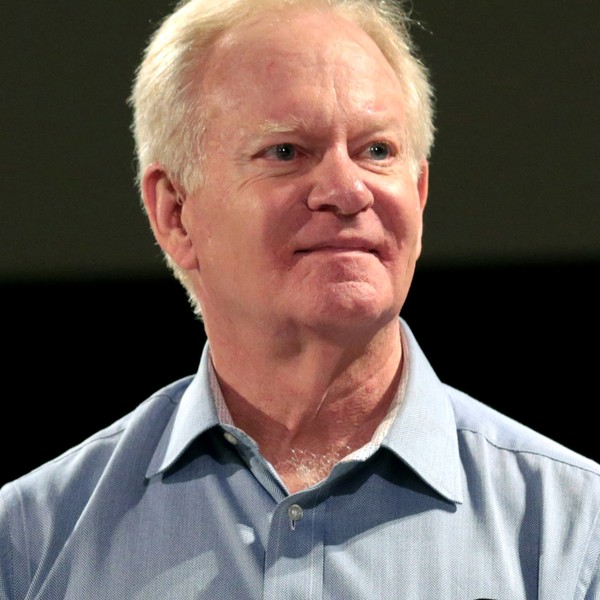
Gov. Fife Symington: The Phoenix Lights Witness Who Shaped UAP Discourse
Former Arizona Governor Fife Symington's role in the Phoenix Lights incident remains pivotal in UAP discourse, influencing public and governmental perspectives.
The Phoenix Lights: A Defining Moment
On the night of March 13, 1997, the Phoenix Lights incident cast a long shadow over Arizona and beyond, capturing the attention of both the public and the government. Among the thousands of witnesses was then-Governor Fife Symington, who would later play a critical role in bringing this event into the forefront of UAP discourse. Symington's involvement, initially marked by skepticism and humor, evolved into a serious acknowledgment of unexplained aerial phenomena, setting the stage for ongoing discussions about transparency and governmental responsibility in UAP investigations.
Symington's Initial Skepticism and Later Admission
In the aftermath of the Phoenix Lights, Symington's public response was to hold a press conference in which he humorously trotted out a staffer in an alien costume, seemingly downplaying the incident. This move, while intended to defuse public anxiety, was met with criticism from those who had witnessed the massive V-shaped formation of lights. However, a decade later, Symington's perspective shifted dramatically. In a 2007 interview, he confessed to having seen one of the craft himself and described it as "otherworldly."
This admission recontextualized his previous actions and underscored the complexity of official responses to UAP incidents. Symington's change of heart highlights a recurring theme in UAP discourse: the tension between public accountability and the often-dismissive stance of governmental figures. His acknowledgment lent credence to the testimonies of numerous witnesses and prompted further inquiry into the event's significance.
Impact on UAP Discussions and Public Perception
Symington's eventual candidness about his experience with the Phoenix Lights significantly impacted both public perception and UAP discussions. His status as a former governor who openly admitted to witnessing a UAP lent credibility to civilian testimonies, often dismissed in mainstream narratives. This shift echoes patterns seen in other high-profile cases, such as the 1986 Japan Airlines JAL 1628 Encounter, where pilot testimonies were initially met with skepticism but later re-evaluated.
Symington's case exemplifies how authoritative admissions can influence legislative and public attitudes toward UAP research. His involvement sparked increased interest in governmental transparency and the need for a more open dialogue about UAPs, influencing discussions on platforms ranging from congressional hearings to grassroots advocacy.
The Continuing Legacy of Symington's Testimony
Despite his initial dismissal of the incident, Symington's later statements continue to resonate within the UAP community. His experience underscores the importance of revisiting and validating witness accounts, a theme explored in our analysis of Civilian UAP Witness Testimony. Symington's admissions invite scrutiny of how official narratives are constructed and challenge the stigma surrounding UAP testimonies.
His role in the Phoenix Lights incident remains a pivotal point of reference for those advocating for increased transparency in governmental UAP investigations. It highlights the potential for change when credible witnesses, especially those in positions of authority, come forward with their accounts.
Broader Implications for UAP Research
The Phoenix Lights, as witnessed by Symington and many others, serve as a reminder of the broader implications for UAP research and discourse. The incident underscores the need for comprehensive investigation and documentation, as well as the importance of acknowledging and respecting credible eyewitness testimony. By revisiting such pivotal events, we can better understand the complexities and challenges of UAP research, as seen in other significant cases like Tehran 1976.
Symington's involvement in the Phoenix Lights incident highlights the ongoing struggle for transparency and credibility in UAP investigations. His journey from skeptic to credible witness reflects a broader shift towards serious engagement with unexplained phenomena, prompting questions about the role of government and public in uncovering the truth. As UAP discourse continues to evolve, the legacy of events like the Phoenix Lights remains a critical touchstone for future inquiry and understanding.
About this person