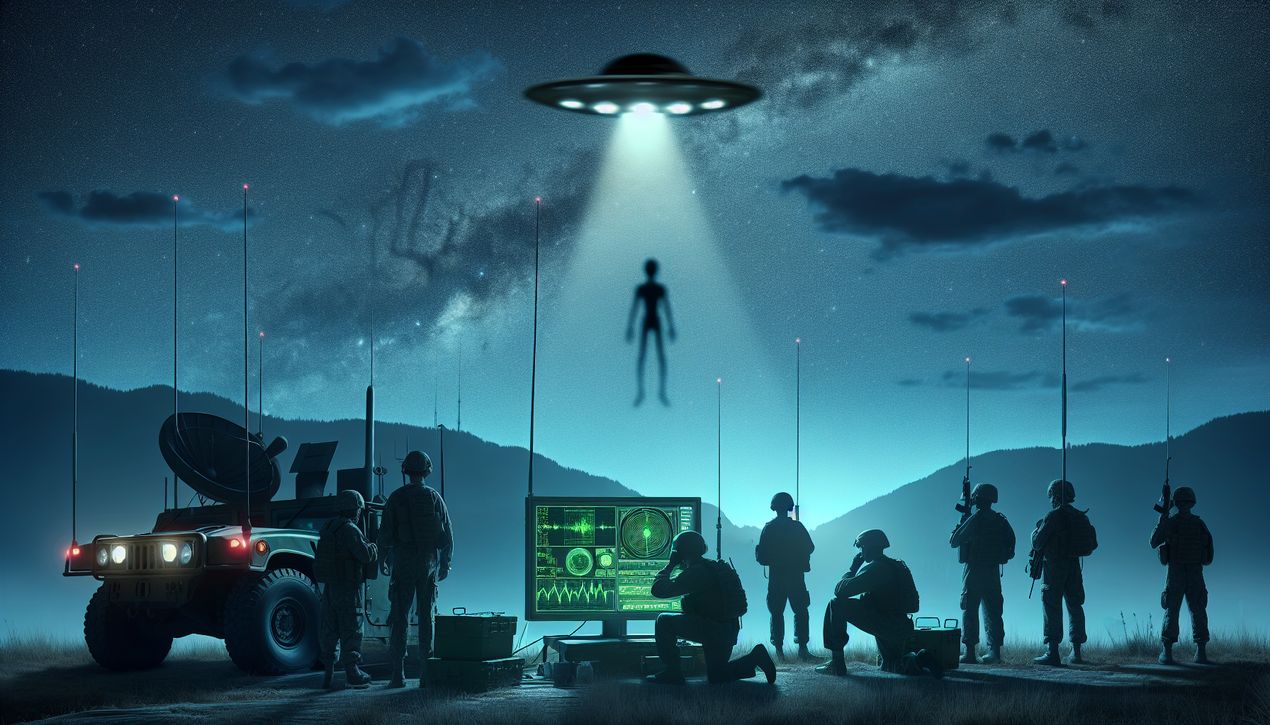
F-16 Jets Scrambled Over Lakenheath to Intercept UAP
Related video hereIn late November 2024, a series of mysterious drone sightings created significant alarm over three major U.S. Air Force-operated bases in the United Kingdom: RAF Lakenheath, RAF Mildenhall, and RAF Feltwell. These bases, critical to
Related video here
In late November 2024, a series of mysterious drone sightings created significant alarm over three major U.S. Air Force-operated bases in the United Kingdom: RAF Lakenheath, RAF Mildenhall, and RAF Feltwell. These bases, critical to NATO and U.S. strategic operations, were suddenly under scrutiny due to the presence of drones that were both unidentified and unexplained. The sightings occurred between November 20 and 22, and the drones, varying in size and configuration, operated within the restricted airspace of these high-security installations.
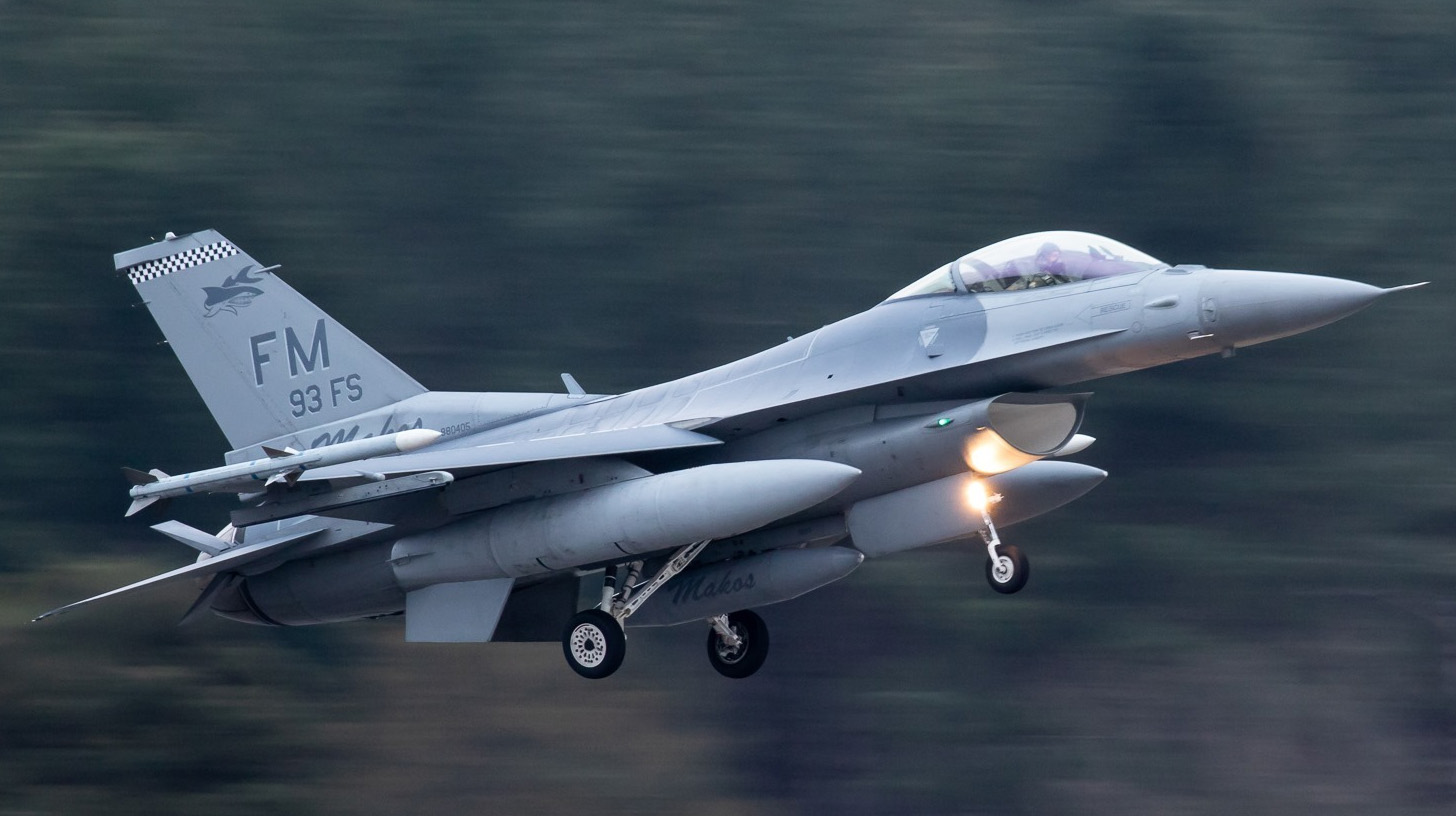
The U.S. Air Force quickly confirmed the presence of the drones, though their origins and intentions remained unknown. While no immediate threats to base residents or critical infrastructure were identified, the situation was considered severe enough to disrupt standard flight operations. In response, F-15E Strike Eagles from the 494th Fighter Squadron at RAF Lakenheath were scrambled to intercept the drones. This marked an extraordinary step, as such military interventions are rare in peacetime and underscore the seriousness of the perceived threat.
Adding to the tension, approximately 60 British military personnel, including counter-drone specialists from the RAF Regiment's No. 34 Squadron, were deployed to bolster the security efforts. This team brought advanced counter-drone technology to the scene, including the ORCUS counter-uncrewed air system. ORCUS is specifically designed to detect, track, and neutralize rogue drone activity, reflecting the escalating technological arms race to protect critical military and civilian infrastructure from potential sabotage.
While no immediate connection to state actors was confirmed, the incidents raised alarms due to their timing amidst heightened geopolitical tensions. These tensions were particularly acute following warnings from Russian President Vladimir Putin, who had previously issued veiled threats against U.S. and U.K. military targets in response to Western support for Ukraine. British intelligence agencies expressed concerns about the possibility of Russian involvement, citing ongoing fears of sabotage activities across Europe, though concrete evidence linking these drones to Russia has not been established.
The timing and location of these drone incursions were especially provocative, as RAF Lakenheath has been identified as a potential site for U.S. nuclear weapon storage under NATO’s plans for expanded deterrence. The prospect of drones surveilling such a strategically sensitive area added another layer of complexity to the unfolding mystery. Both U.S. and U.K. authorities launched immediate investigations, with intelligence and defense agencies on high alert to determine the origins, operators, and purposes of these drones.
These incidents also brought attention to broader security vulnerabilities. Drones, whether commercial or military-grade, represent an emerging threat to national security, and the events at RAF Lakenheath underscored the need for robust countermeasures. The Ministry of Defence emphasized the importance of enhancing counter-drone capabilities, reassuring the public and allied forces that measures were in place to safeguard military installations.
Meanwhile, public speculation ran rampant, with theories ranging from state-sponsored espionage to rogue hobbyist activity. The lack of definitive answers fed into the broader narrative of an increasingly uncertain geopolitical environment, where unconventional threats like drone incursions can challenge even the most advanced military infrastructures.
As the investigation continues, both U.S. and U.K. forces remain vigilant, adapting their security protocols to mitigate future risks. The incidents at RAF Lakenheath and its neighboring bases serve as a sobering reminder of the evolving nature of modern warfare and the persistent need for technological and operational readiness. The unanswered questions surrounding these sightings linger, leaving military officials and intelligence agencies racing against time to solve the mystery and secure their skies.