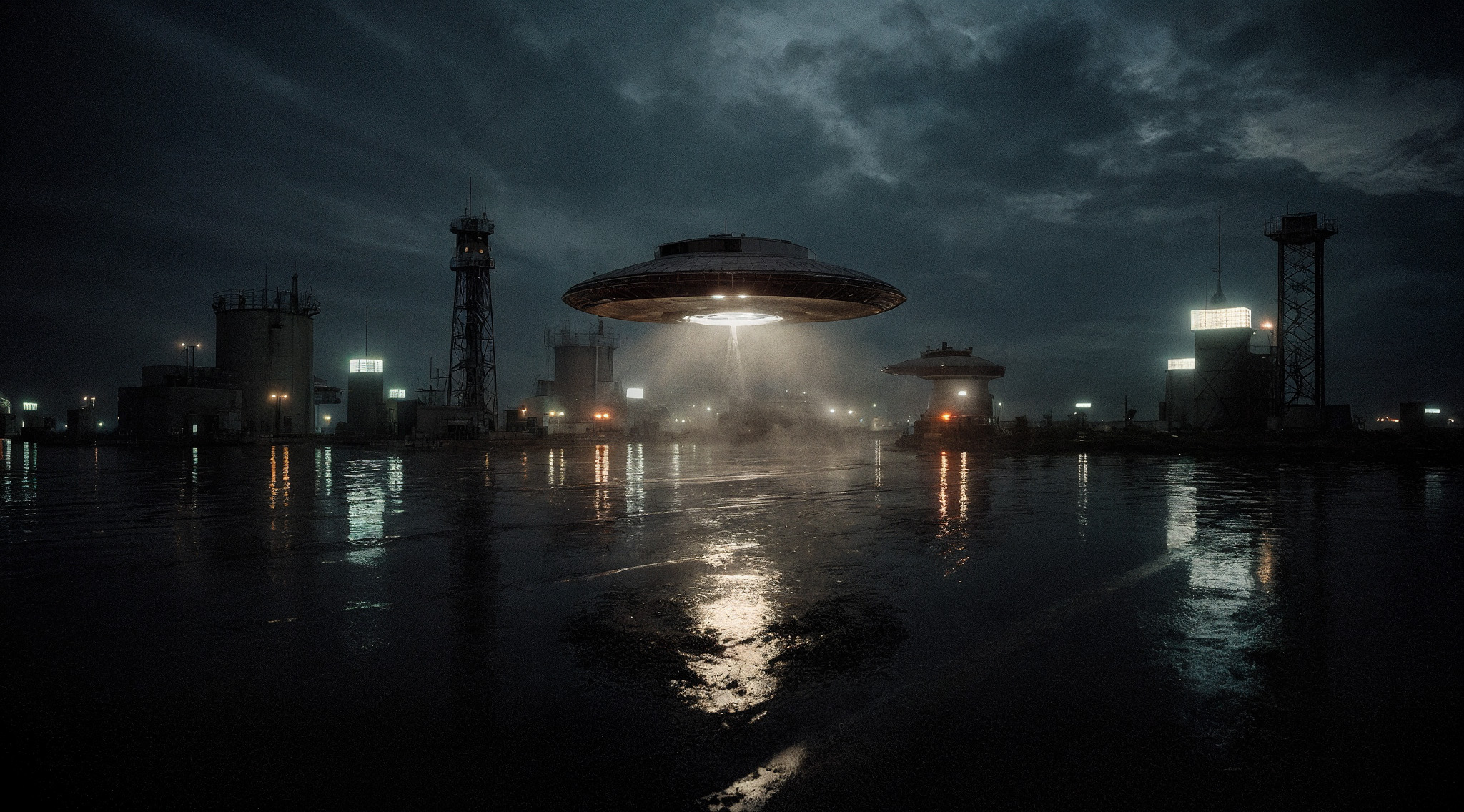
The Enigma of the Tic Tac UFO
The 2004 Nimitz encounter remains one of the most credible UAP cases in history — witnessed by trained military pilots and captured on radar and infrared video.

A Routine Training Mission That Wasn't
In November 2004, the USS Nimitz carrier strike group was conducting training operations approximately 100 miles southwest of San Diego when its advanced radar systems detected something extraordinary. The object appeared at 80,000 feet, then plummeted to 20,000 feet in seconds — a descent that would have obliterated any known aircraft. It then hovered, seemingly stationary, before vanishing entirely.
Commander David Fravor, a decorated F/A-18 Super Hornet pilot with over 16 years of flight experience, was scrambled to investigate. What he encountered over the Pacific that afternoon would define the next two decades of his life.
What Fravor Saw
Fravor described the object as roughly 40 feet long, white, and shaped like a Tic Tac breath mint — smooth, with no visible wings, engine nacelles, or exhaust. As his aircraft descended to intercept, the object began mirroring his movements, responding to his trajectory as if aware of his presence.
"It was aware of us," Fravor said in congressional testimony in 2023. "It was not behaving like anything I've ever seen."
When Fravor moved to cut off the object's flight path, it accelerated away at a speed he described as "instantaneous" — gone before he could track it. Minutes later, the same object — or one identical — appeared on radar 60 miles away at a known rendezvous point called the CAP point. It had arrived there in under two minutes.
The Radar and Infrared Evidence
The encounter wasn't limited to visual observation. The USS Princeton, the carrier group's guided-missile cruiser equipped with the upgraded SPY-1 radar system, had been tracking anomalous returns for several days prior to the encounter. Operators described contacts that appeared, disappeared, and repositioned in ways inconsistent with any known aircraft performance envelope.
The FLIR1 video, captured by Fravor's wingman Lt. Cmdr. Jim Slaight's aircraft, shows the object through a forward-looking infrared targeting pod. The footage is notable for what it reveals: the object maintains a stable heat signature while executing maneuvers that no propulsion system should be able to produce without visible exhaust.
That video sat classified inside the Department of Defense for fifteen years.
The Pentagon's Reluctant Disclosure
In 2017, The New York Times and the Washington Post broke the story of the Advanced Aerospace Threat Identification Program (AATIP), a $22 million secret Pentagon program that had investigated UAP from 2007 to 2012. The reporting was paired with the first public release of UAP footage — including FLIR1.
The Pentagon's response was telling: rather than debunking the videos, officials confirmed their authenticity. The official position shifted from "we don't investigate UFOs" to "these were captured by our systems and remain unidentified."
In April 2020, the Pentagon took the extraordinary step of officially declassifying all three videos — FLIR1, GIMBAL, and GOFAST — stating they had been reviewed to determine "whether or not the UAP footage should be released to the public."
What the Government Still Won't Say
The core question — what the objects are — remains officially unanswered. The 2021 UAPTF (Unidentified Aerial Phenomena Task Force) report identified 144 UAP encounters between 2004 and 2021, explaining only one definitively (a deflating balloon). The Nimitz encounter was not among those explained.
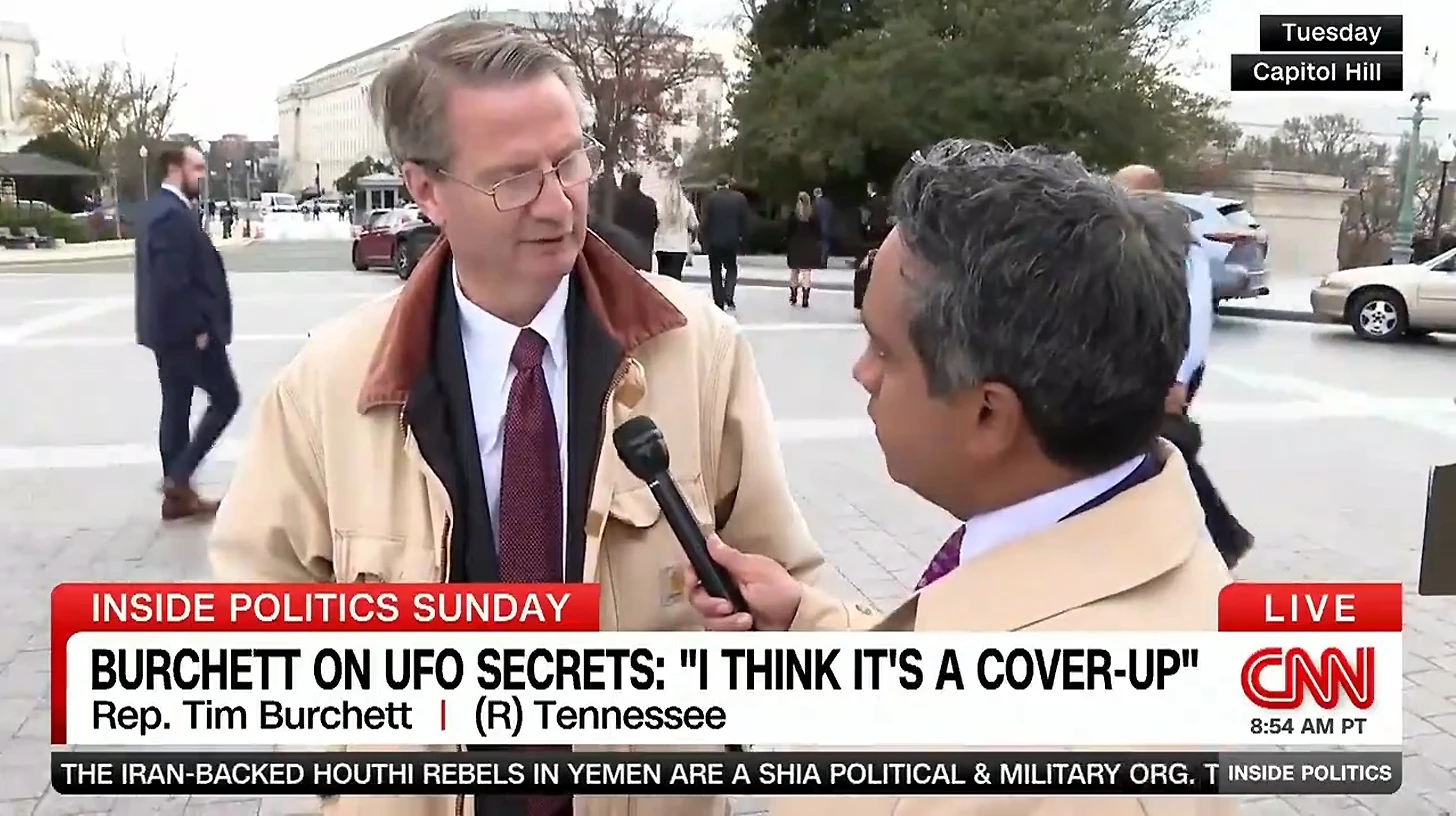
Subsequent congressional hearings in 2023 saw testimony from former intelligence official David Grusch alleging that the U.S. government has recovered non-human craft and biological material — claims that, if true, would recontextualize the Tic Tac encounter entirely.
The Pentagon has denied Grusch's allegations. But it has not explained the Tic Tac.
Why This Case Matters
The Nimitz encounter endures as the most evidentially robust UAP case in the public record for several reasons: multiple trained military observers, corroborating radar data from two separate systems, authenticated video footage, and official government acknowledgment that the object remains unidentified.
Commander Fravor, who retired from the Navy in 2006, has spent years advocating for transparency. His position is not that the objects are alien — it's that the government knows more than it is saying, and that both flight safety and national security demand a serious investigation.
On that count, the evidence supports him.