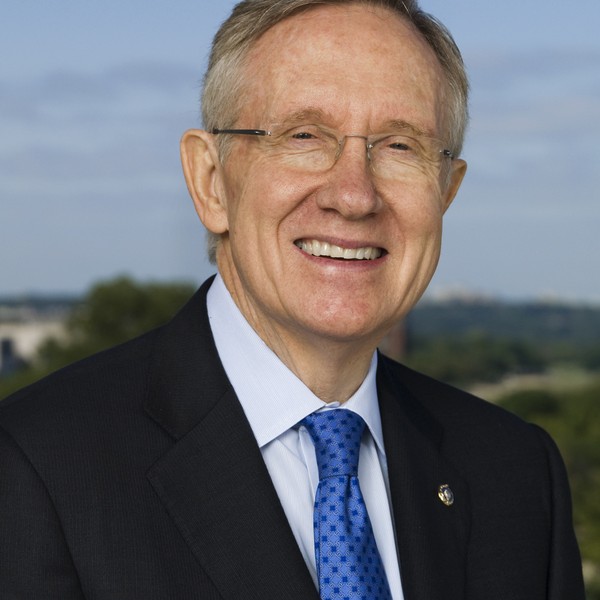
Sen. Harry Reid's Legacy: How AATIP Shaped the UAP Discourse
Examining Sen. Harry Reid's pivotal role in UAP research funding through AATIP and its enduring impact on the discourse surrounding unidentified aerial phenomena.

The Unfolding Legacy of Sen. Harry Reid in UAP Research
Senator Harry Reid's tenure as Senate Majority Leader marked a pivotal moment in the discourse on Unidentified Aerial Phenomena (UAP). His advocacy for the establishment of the Advanced Aerospace Threat Identification Program (AATIP) cast a long shadow over the subsequent developments in UAP research. As we explore Reid’s contributions, the significance of his efforts in shaping the contemporary UAP narrative becomes evident.
AATIP: A Strategic Move
In 2007, with Reid's support, AATIP was initiated with a modest budget of $22 million, funded primarily through the Defense Intelligence Agency. The program aimed to investigate military encounters with UAPs, a subject often mired in mystery and speculation. Reid's strategic maneuvering to secure funding for AATIP highlights not only his interest in the phenomenon but also his ability to navigate the labyrinthine corridors of government funding. It raises pertinent questions about the transparency and motivations behind such programs.
Beyond the Conspiracy
Reid’s involvement in AATIP demonstrates a departure from the often sensationalized portrayal of UFO research. He focused on empirical data, urging a scientific approach to UAP investigations. In various interviews, Reid emphasized the potential national security implications of unidentified aerial phenomena, underscoring the necessity of understanding these occurrences beyond mere conspiracy theories. His stance invites a broader discussion on the role of government in addressing and acknowledging these phenomena.
Impact on Current UAP Discourse
The closure of AATIP in 2012 did not mark the end of Reid's influence. The program's existence and objectives were publicly acknowledged in 2017, sparking renewed interest and debate over governmental transparency regarding UAPs. This disclosure led to further scrutiny of how military and intelligence agencies handle UAP encounters. It also paved the way for subsequent inquiries and the establishment of new investigative bodies, reflecting the legacy of Reid's initial efforts.
Reid's role can be compared to other key figures in the UAP discourse, such as Rep. Anna Paulina Luna, who have pushed for more congressional scrutiny and public hearings on the matter. The ongoing dialogue about government secrecy and the need for transparency in UAP investigations owes much to Reid's foundational work.
Enduring Questions and Future Implications
Reid's legacy in the field of UAPs is not without its controversies. Critics argue that AATIP's findings and methodology remain shrouded in secrecy, raising questions about the full scope of the program's research and conclusions. As the UAP discourse evolves, such concerns underscore the need for continued investigation and public accountability. The implications of Reid's work extend beyond political boundaries, influencing international perspectives on UAP sightings and governmental responses, as explored in International UAP Incidents Near Nuclear Sites: A Global Phenomenon Under Scrutiny.
Conclusion: A Lasting Influence
Senator Harry Reid’s role in the establishment and support of AATIP has left an indelible mark on the UAP research landscape. His advocacy for a structured and scientific inquiry into UAPs has helped legitimize the field and has spurred ongoing public and governmental interest. As new revelations and testimonies emerge, Reid’s contributions continue to serve as a critical reference point in the evolving narrative surrounding UAPs. The question remains: how will future investigations build upon Reid’s groundwork to unravel the mysteries that still linger in our skies?
About this person